
Introduction
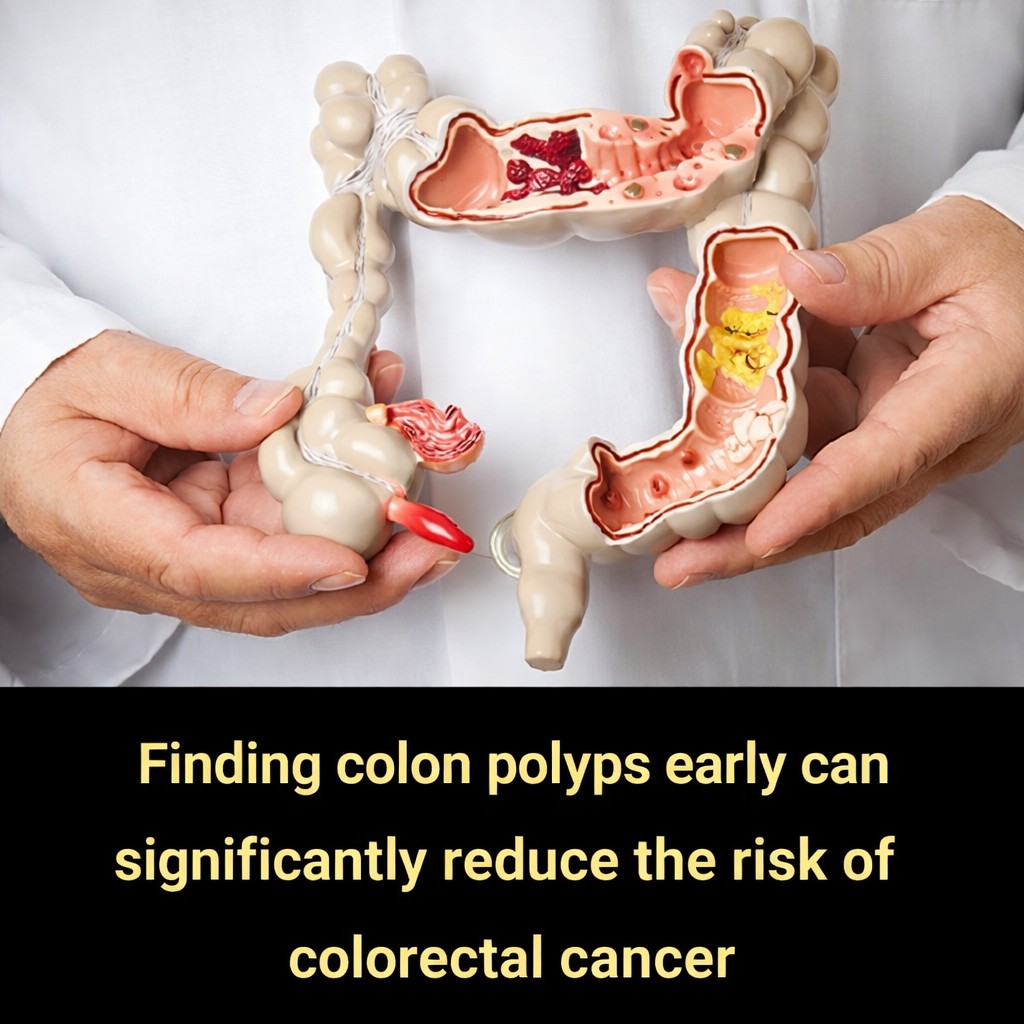
Detecting colon polyps early plays a crucial role in preventing serious health conditions such as Colorectal Cancer. Colon polyps are small growths that develop on the inner lining of the colon or rectum. While many polyps are harmless, some can gradually turn into cancer over time if they are not detected and removed.
Regular screening and awareness of symptoms can help doctors find polyps early and prevent them from developing into life-threatening diseases.
What Are Colon Polyps?
Colon polyps are abnormal tissue growths that appear on the lining of the large intestine. They can vary in size and shape and may appear flat or raised.
Most people with polyps do not experience symptoms, which is why routine screening is essential for early detection.
Types of Colon Polyps
There are several types of colon polyps, including:
- Adenomatous polyps (adenomas) – These have the potential to become cancerous.
- Hyperplastic polyps – Usually small and rarely turn into cancer.
- Inflammatory polyps – Often associated with digestive conditions.
Doctors often remove polyps during screening to prevent possible progression to Colorectal Cancer.
Symptoms of Colon Polyps
Many colon polyps cause no symptoms, but some warning signs may include:
- Blood in the stool
- Changes in bowel habits
- Unexplained abdominal pain
- Fatigue caused by anemia
If you notice any of these symptoms, it is important to consult a healthcare professional.
Risk Factors
Several factors may increase the risk of developing colon polyps:
- Age over 45
- Family history of colon cancer
- Smoking
- Obesity
- A diet high in processed or red meat
- Lack of physical activity
People with these risk factors should pay special attention to screening recommendations.
Importance of Early Detection
Early detection is one of the most effective ways to prevent colon cancer. Medical screening methods such as the Colonoscopy allow doctors to detect and remove polyps before they become dangerous.
Screening can reduce the risk of developing Colorectal Cancer by identifying problems at an early stage when treatment is most effective.
Prevention Tips
Although not all colon polyps can be prevented, certain lifestyle choices can reduce the risk:
- Eat more fruits, vegetables, and whole grains
- Exercise regularly
- Maintain a healthy weight
- Avoid smoking and excessive alcohol
- Get regular medical screenings
Healthy habits combined with routine checkups can significantly lower the risk.
Conclusion
Colon polyps are common, but early detection can make a life-saving difference. Regular screenings and a healthy lifestyle can help prevent polyps from developing into Colorectal Cancer.
If you are over 45 or have risk factors, talk to your doctor about scheduling a screening test such as a Colonoscopy. Early action can protect your health and potentially save your life.