

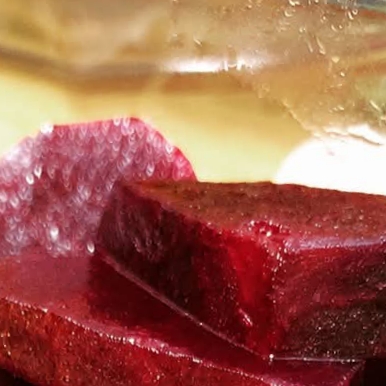
eetroot, also known as beet, is a colorful root vegetable packed with nutrients that may help support overall health — including eye health. Thanks to its antioxidants, vitamins, and plant compounds, beetroot is increasingly recognized as a natural food that may help protect vision and reduce the risk of certain age-related eye problems.
In this article, you’ll discover how beetroot may benefit your eyesight, the nutrients behind its protective effects, and the best ways to add it to your diet.
Why Beetroot Is Good for the Eyes
Beetroot contains several compounds linked to healthy vision, including:
- Beta-carotene
- Vitamin A precursors
- Antioxidants
- Betalains
- Vitamin C
- Nitrates
- Minerals such as potassium and iron
These nutrients may help protect the retina, support blood circulation to the eyes, and reduce oxidative stress that contributes to vision decline.
Key Benefits of Beetroot for Vision
1. May Help Protect the Retina
The retina is one of the most important parts of the eye because it converts light into signals sent to the brain. Beetroot contains antioxidants and beta-carotene compounds that may help protect retinal cells from oxidative damage.
Oxidative stress is associated with age-related vision problems, including retinal degeneration.
2. Supports Healthy Blood Flow to the Eyes
Beetroot is naturally rich in nitrates, which the body converts into nitric oxide. Nitric oxide helps relax blood vessels and improve circulation. Better blood flow may help deliver oxygen and nutrients to the eyes more efficiently.
Healthy circulation is essential for maintaining long-term eye function.
3. Rich in Antioxidants That Fight Free Radicals
Beetroot gets its deep red-purple color from compounds called betalains. These powerful antioxidants may help reduce inflammation and protect cells from free radical damage.
Antioxidants are important because oxidative stress is linked to conditions such as:
- Cataracts
- Macular degeneration
- General age-related vision decline
4. May Help Reduce the Risk of Cataracts
Some nutrition experts suggest that the antioxidant and carotenoid content in beetroot may help protect the lens of the eye from oxidative damage associated with cataracts.
Although beetroot alone cannot prevent cataracts, a healthy diet rich in colorful vegetables may support better eye aging.
5. Contains Nutrients Important for Eye Function
Beetroot provides several nutrients involved in visual health, including:
- Vitamin A precursors
- Folate
- Iron
- Potassium
- Vitamin C
Vitamin A plays a role in maintaining proper vision, especially in low-light conditions.
6. May Help Reduce Eye Fatigue
Modern lifestyles expose people to screens for long hours every day. While research is still limited, nutrient-rich vegetables like beetroot may help support circulation and reduce oxidative stress associated with tired eyes.
Staying hydrated and eating antioxidant-rich foods can support overall eye comfort.
Best Ways to Consume Beetroot for Eye Health
There are many delicious ways to include beetroot in your diet.
Raw Beetroot Juice
Fresh beet juice is one of the most popular options because it preserves many nutrients.
You can combine beetroot with:
- Carrot
- Apple
- Orange
- Ginger
- Lemon
This creates a nutrient-rich drink packed with antioxidants and vitamins.
Beetroot Salad
Grated raw beetroot works well in salads and pairs nicely with:
- Spinach
- Lettuce
- Walnuts
- Olive oil
- Citrus dressing
Roasted or Boiled Beetroot
Cooked beetroot is soft, naturally sweet, and easy to digest. While cooking may slightly reduce some nutrients, it still remains highly nutritious.
Beetroot Smoothie
Blend beetroot with berries, banana, or yogurt for a healthy smoothie rich in antioxidants.
Other Health Benefits of Beetroot
Besides eye health, beetroot may also support:
- Heart health
- Healthy blood pressure
- Athletic performance
- Digestion
- Immune function
Its nitrate content and antioxidants make it a popular functional food among athletes and health-conscious individuals.
Are There Any Side Effects?
Beetroot is generally safe for most people when eaten in moderation. However, there are a few things to consider.
Possible Side Effects
- Pink or red urine (harmless)
- Digestive discomfort in sensitive individuals
- High oxalate content, which may not be suitable for people prone to kidney stones
People with kidney conditions should consult a healthcare professional before consuming large amounts regularly.
Final Thoughts
Beetroot is a nutritious vegetable that may help support eye health thanks to its antioxidants, nitrates, and vitamin-rich profile. It may contribute to better retinal protection, improved circulation, and reduced oxidative stress linked to vision decline.
While beetroot is not a cure for eye diseases, adding it to a balanced diet can be a smart and natural way to support healthy vision over time. Fresh juice, salads, and smoothies are all excellent ways to enjoy its benefits naturally.