

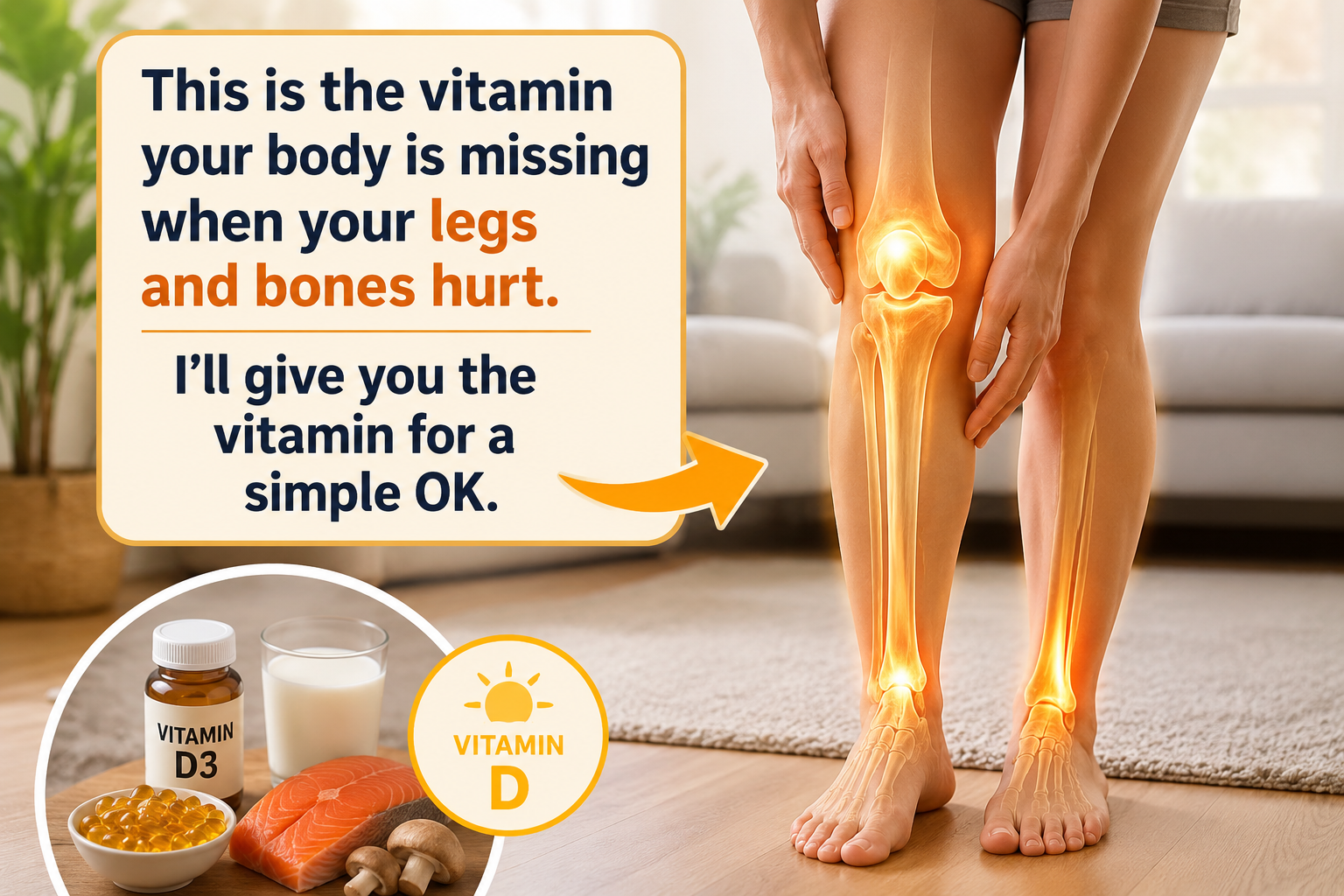
Leg and bone pain can have many different causes, from overuse and arthritis to injuries and medical conditions. However, one common reason that is often overlooked is a deficiency in essential vitamins and minerals—especially vitamin D.
If you’ve been experiencing aching legs, sore joints, or weak bones, understanding the role of vitamin D may help you take the next step toward better bone health.
Why Vitamin D Is So Important
Vitamin D is often called the “sunshine vitamin” because your body produces it when your skin is exposed to sunlight. It plays a critical role in:
- Helping your body absorb calcium
- Keeping bones strong and healthy
- Supporting muscle function
- Maintaining a healthy immune system
Without enough vitamin D, your body cannot absorb calcium efficiently, which can lead to weakened bones and muscle discomfort.
Signs You May Be Low in Vitamin D
A vitamin D deficiency doesn’t always cause obvious symptoms, but common signs include:
- Persistent leg or bone pain
- Muscle weakness
- Fatigue
- Frequent illness
- Lower back pain
- Difficulty climbing stairs
- Increased risk of fractures
These symptoms can also be caused by other health conditions, so it’s important not to assume vitamin D is the only cause.
Other Nutrients That Support Bone Health
Although vitamin D is essential, healthy bones also depend on several other nutrients:
Calcium
Calcium is the primary mineral found in bones. Adults generally need around 1,000–1,200 mg per day depending on age and sex.
Magnesium
Magnesium helps activate vitamin D and supports normal muscle and nerve function.
Vitamin K
Vitamin K helps direct calcium into bones where it’s needed most.
Best Food Sources of Vitamin D
You can increase your vitamin D intake by eating foods such as:
- Fatty fish (salmon, sardines, mackerel)
- Egg yolks
- Fortified milk
- Fortified cereals
- Fortified plant-based milk
- Mushrooms exposed to UV light
Safe Sun Exposure
Regular sunlight can help your body make vitamin D naturally. For many people, 10–30 minutes of sun exposure on the arms and face several times a week may be enough, depending on skin tone, season, and location.
Should You Take a Supplement?
Vitamin D supplements may be helpful if:
- You spend little time outdoors.
- You have been diagnosed with a deficiency.
- You are an older adult.
- You have certain digestive disorders that reduce nutrient absorption.
Always follow your healthcare provider’s advice before taking high-dose supplements, as excessive vitamin D can be harmful.
When to See a Doctor
If your leg or bone pain is severe, lasts for several weeks, causes swelling, or makes it difficult to walk, you should consult a healthcare professional. A simple blood test can determine whether you have a vitamin D deficiency or another underlying condition.
Final Thoughts
Vitamin D is one of the most important nutrients for strong bones and healthy muscles. While a deficiency can contribute to leg and bone pain, it is not the only possible cause. Eating a balanced diet, getting safe sun exposure, staying physically active, and seeking medical advice for persistent symptoms are the best ways to protect your bone health.